
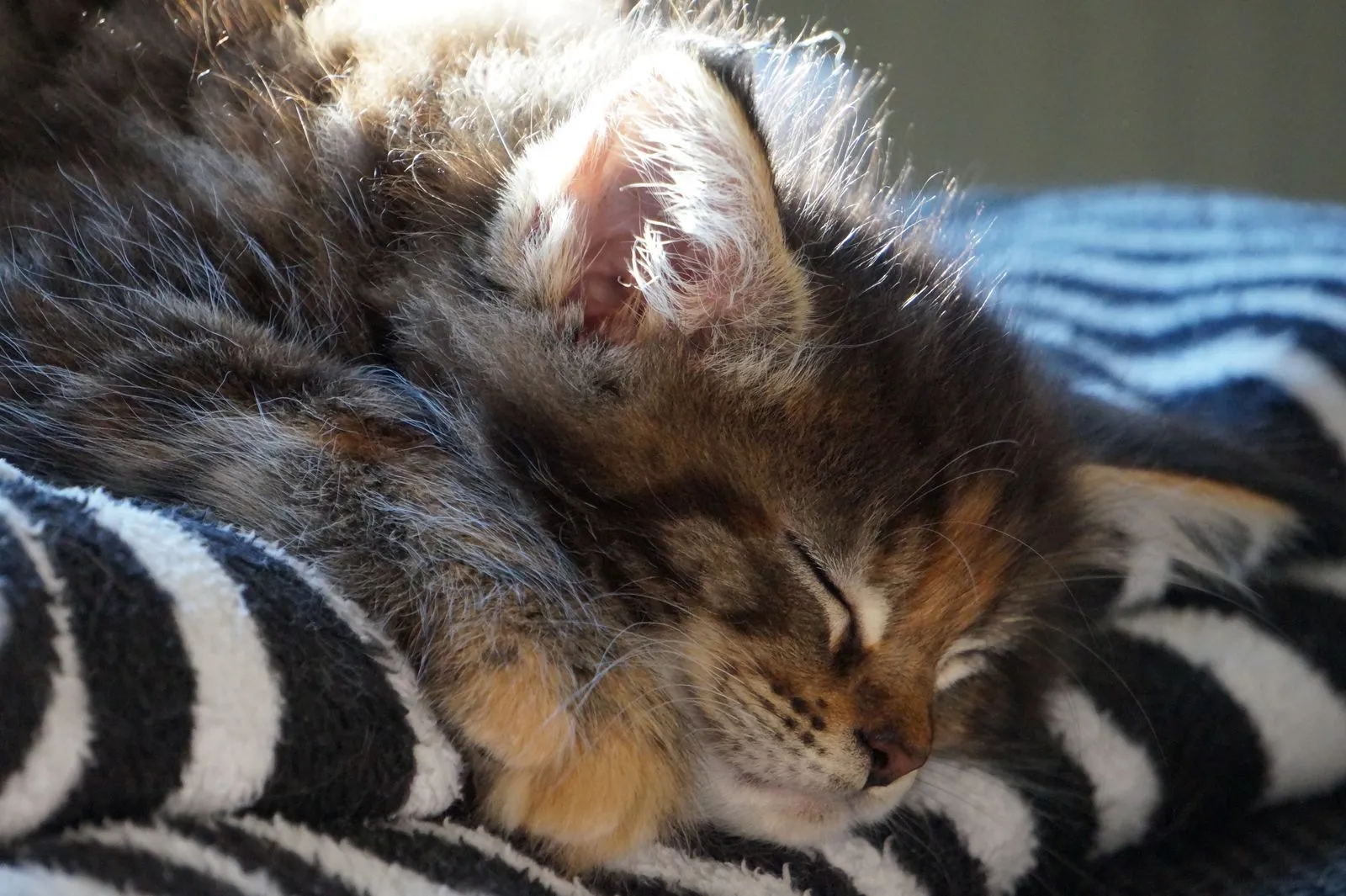
Finding a kitten outdoors can be worrying, but a calm, careful response can help you choose the safest next step. First, check whether the kitten is in immediate danger or appears ill or injured. If it seems stable, pause and look for its mother from a safe distance; she may be finding food or moving the rest of the litter. Keep people and pets back, and contact a local rescue or veterinarian for guidance when the kitten needs help.
Check for Urgent Danger
Look at the kitten without crowding it. Trouble breathing, bleeding, visible injuries, extreme weakness, repeated crying, or feeling cold to the touch can signal an urgent problem. A kitten in a roadway, exposed to severe weather, or threatened by dogs or other animals also needs immediate protection. Call a veterinarian or animal rescue for instructions; if the kitten is in immediate danger, move it to a safer nearby spot if you can do so safely.
Approach slowly and use a towel or gloves if you need to handle the kitten. Keep your face away from its mouth and avoid rough handling. Place it in a secure, ventilated carrier or box lined with a clean towel, away from household pets. Wash your hands afterward. If you are bitten or scratched, clean the area and seek medical advice.
Look for the Mother
If the kitten is warm, alert, and not in danger, watch from a distance for the mother cat. She may be nearby but stay away while people are close. Keep the area quiet and observe discreetly for a few hours when conditions are safe. Do not leave a kitten exposed to traffic, harsh weather, or other immediate hazards while waiting.
If you find a litter, avoid separating kittens from their mother unless they are at risk or appear unwell. A nursing mother is usually the best source of food and care for young kittens. If you are unsure whether the mother has returned, ask a local rescue to help assess the situation and plan a safe approach.
Provide Safe Short-Term Care
If the kitten must be brought inside, keep it warm, dry, and quiet in a contained space. Use a wrapped warm water bottle or heating pad on a low setting under only part of the bedding, so the kitten can move away from the heat. Check that the surface is comfortably warm, not hot. Separate the kitten from other animals until a veterinarian or rescue advises you.
Do not give cow’s milk, human medication, or flea treatments unless a veterinarian directs you to. Very young or chilled kittens can be harmed by feeding before they are warmed, and their feeding needs depend on age and condition. Offer no food or water by force. Call a rescue or veterinary clinic for specific instructions while arranging an assessment.
Contact a Rescue or Veterinarian
Contact a veterinarian promptly if the kitten is injured, struggling to breathe, unusually weak, very cold, or unable to eat. A local rescue can advise you about age, safe handling, the mother cat, and available foster care. When you call, share the kitten’s location, estimated number of kittens, condition, and whether you have seen an adult cat. Follow their guidance on transport and next steps.
If the kitten appears stable but remains alone, do not assume it can manage without help. A rescue or veterinarian can help determine whether observation, reunification, or foster care is appropriate. River City Kitten Care in Richmond can be contacted for guidance at [email protected] or (804) 555-0178.
A safe response starts with checking for danger, giving a stable kitten space while you look for its mother, and avoiding food or treatments that may cause harm. When a kitten is ill, injured, exposed, or still alone, contact a local rescue or veterinarian for clear next steps. If you need guidance in Richmond, reach out to River City Kitten Care.